




July 28, 2026 | Uncategorized
Closing Costs in Ontario: What Home Buyers Should Budget For
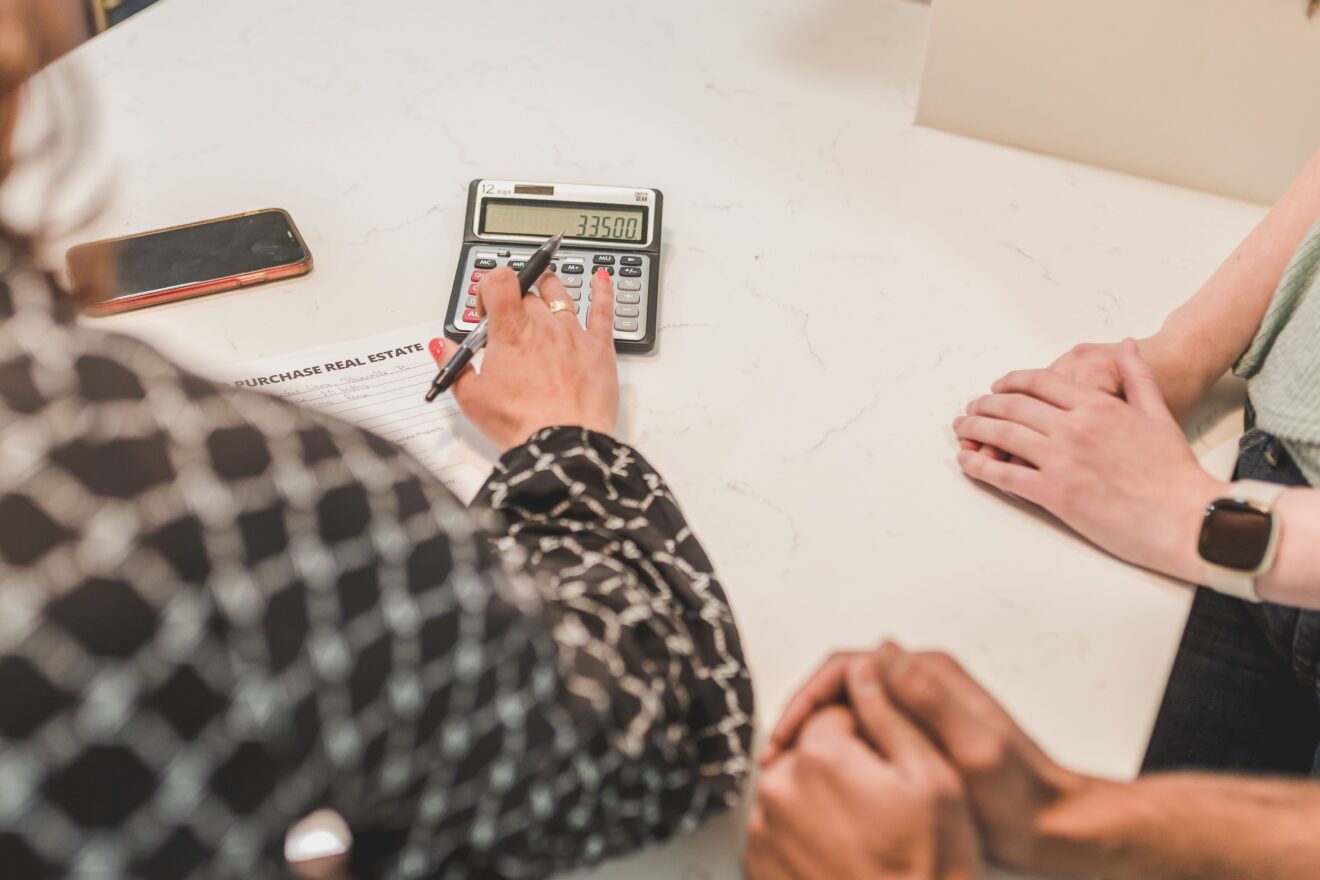
The purchase price is the number everyone talks about. It is not the only number you pay. Closing costs in Ontario can add tens of thousands of dollars on top of the price, and buyers who plan for them early are the ones who reach closing day without a scramble. Whether you are buying in Oakville, Mississauga, Milton, or Burlington, here is what sits between the accepted offer and the keys in your hand.
Quick answer
- Land transfer tax is usually the largest closing cost. On a $1,000,000 home in Ontario it works out to $16,475.
- Buyers in Oakville, Mississauga, Milton, and Burlington pay that tax once. Buyers inside the City of Toronto pay a second municipal tax of similar size.
- First-time buyers can claim a provincial rebate of up to $4,000.
- Budget for legal fees, title insurance, a home inspection, and closing-day adjustments on top of the tax.
- A deposit is not a closing cost, and it is not the same as your down payment.
What are closing costs when buying a home in Ontario?
Closing costs are the one-time charges you pay to complete the purchase, separate from the price of the home and your down payment. Most are due on or near closing day, and most are not covered by your mortgage, so they come out of your own funds. Planning for them is part of knowing what you can actually afford, not just what a lender will approve.
How much is land transfer tax in Ontario?
Land transfer tax is a marginal tax, which means each slice of the price is taxed at its own rate. The Ontario rates are:
- 0.5% on the first $55,000
- 1.0% on $55,000 to $250,000
- 1.5% on $250,000 to $400,000
- 2.0% on $400,000 to $2,000,000
- 2.5% on anything over $2,000,000
On a $1,000,000 home, that adds up to $16,475. First-time buyers can claim a provincial rebate of up to $4,000, which covers the full tax on a home up to $368,000 and reduces it on anything above that. You can model your own number with the GTA buyer calculator before you start touring.
Do you pay land transfer tax twice in the GTA?
Only inside the City of Toronto. Toronto charges its own municipal land transfer tax on top of the provincial one, so a buyer there pays two land transfer taxes of similar size. On the $1,000,000 example, the combined bill is roughly $32,950 instead of $16,475. Buy the same home in Oakville, Mississauga, Milton, or Burlington and there is no municipal land transfer tax, so you pay the provincial tax only once. It is one of the quieter financial advantages of buying in the 905.
What other closing costs should buyers budget for?
The land transfer tax is the headline, but several smaller costs add up alongside it. Plan for these:
- Legal fees and disbursements: your real estate lawyer handles title, registration, and the closing. Commonly $1,800 to $2,500 or more, plus disbursements.
- Title insurance: usually a few hundred dollars, often arranged through your lawyer.
- Home inspection: commonly $500 to $800 or more, depending on the size and age of the home. When you include one, it is usually done during your conditional period, before your offer becomes firm.
- Closing adjustments: reimbursing the seller for property taxes or utilities they prepaid past your closing date.
- Mortgage default insurance: required when your down payment is under 20%. The premium itself is usually added to your mortgage, but the provincial sales tax on it (8% in Ontario) is due in cash at closing. You can estimate the premium with CMHC’s mortgage loan insurance premium calculator.
- Moving costs: not strictly a closing cost, but a real one that lands the same week.
Confirm the exact figures with your lawyer and lender, since they vary by file. The point is to expect them, not to be surprised by them.
What is the difference between a deposit and a down payment?
They are two different things, and mixing them up trips up many first-time buyers. The deposit is the cheque you provide with your offer, usually within 24 hours of acceptance, to show you are serious. It is held in trust and later counts toward your purchase. The down payment is the total amount you put toward the price out of pocket, and the deposit forms part of it. Your closing costs sit on top of both.
Buying new construction? Extra costs to plan for
A brand-new home from a builder comes with a different set of costs than a resale, and several land at closing. Plan for these, and read the agreement closely before you sign:
- HST, and the first-time buyer relief: new homes carry HST (13% in Ontario). For owner-occupied homes the builder usually works the New Housing Rebate into the price, but confirm how HST is handled in your agreement. As of 2025, a federal rebate removes the GST portion for first-time buyers on a new home up to $1,000,000, with partial relief between $1,000,000 and $1,500,000, for builder agreements signed between March 20, 2025 and the end of 2030. Ask your lawyer or accountant whether you qualify, and review the rules on the CRA first-time home buyers’ GST rebate page.
- Development and levy charges: builders often pass municipal development charges, education levies, and similar fees to the buyer as closing adjustments. These can add several thousand dollars or more, so ask for a cap in your agreement before you sign.
- Utility hookups and meters: connection or enrolment charges for hydro, gas, and water at the new home.
- Driveway and lot grading deposits: a builder often holds a deposit at closing for paving the driveway and grading the lot, refunded once the work passes.
- Tarion enrolment: the new home warranty enrolment fee is sometimes charged to the buyer as an adjustment.
- Interim occupancy fees (new condos): if you move in before the building registers, you pay a monthly occupancy fee until final closing.
The pattern with new construction is that the adjustments add up, so the smartest move is to have your lawyer review the agreement before you sign.
How much should you set aside in total?
A practical habit is to budget closing costs as their own line, separate from your down payment savings. For most resale purchases in the GTA the land transfer tax drives the total, with legal, title, inspection, and adjustments adding a few thousand more. If you are buying new construction, add the builder costs above and have your lawyer review the agreement before you sign. The cleanest way to know your number is to price it out against a specific home and a specific closing date, which is exactly what a buyer planning meeting is for. You can see how the buying process works start to finish in the guide to buying in the GTA.
Written by Damir Strk, Broker with RE/MAX Realty Specialists Inc., Brokerage, serving Oakville, Mississauga, Milton, and Burlington for more than 25 years. The figures here are current at the time of writing. Confirm exact amounts with your real estate lawyer and lender before closing.
Land transfer tax alone is $16,475. Add legal fees, title insurance, a home inspection, and closing adjustments, and most buyers outside the City of Toronto plan for several thousand dollars more on top of that tax.
No. The municipal land transfer tax applies only inside the City of Toronto’s boundaries. Buyers in Mississauga, Oakville, Milton, and Burlington pay the provincial land transfer tax only.
Up to $4,000 off the provincial land transfer tax. That covers the full tax on a home priced up to $368,000 and reduces it on homes priced higher. You must meet the eligibility rules, including never having owned a home anywhere.
Generally no. Most closing costs are paid from your own funds at closing, which is why they need their own spot in your budget alongside the down payment.
Most are due on or just before closing day, handled through your real estate lawyer. The home inspection is paid earlier, around the time of your offer.
Get GTA Market Updates Delivered
Sign up to receive my newsletter here and get regular updates about local market changes, the latest listings, and more insider information.