

Dixie
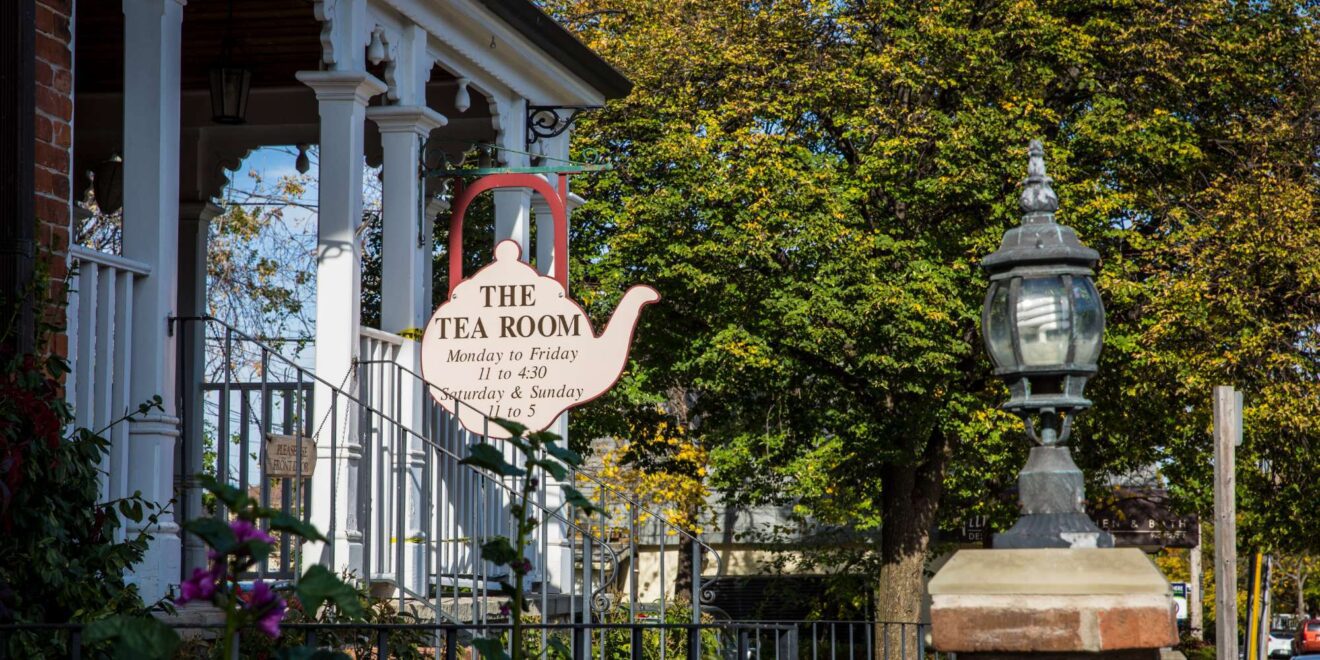
Dixie real estate sits within one of Mississauga’s most historically layered communities, established in the early 19th century by United Empire Loyalist settlers along Dundas Street East. Philip Cody arrived around 1806 and built a tavern that became the neighbourhood’s founding gathering point. By 1865 the area was officially named Dixie in honour of Dr. Beaumont Wilson Bowen Dixie, a Welsh-born physician who practiced here from 1846 until his death.
The St. John’s Dixie Union Chapel and Cemetery, established in 1810, is Mississauga’s oldest cemetery and one of the few surviving examples of an Upper Canada union chapel still standing. The Cherry Hill House, built between 1817 and 1822, and the Middle Road Bridge from 1909, Canada’s first concrete truss bridge, round out a heritage record that few Mississauga neighbourhoods can match.
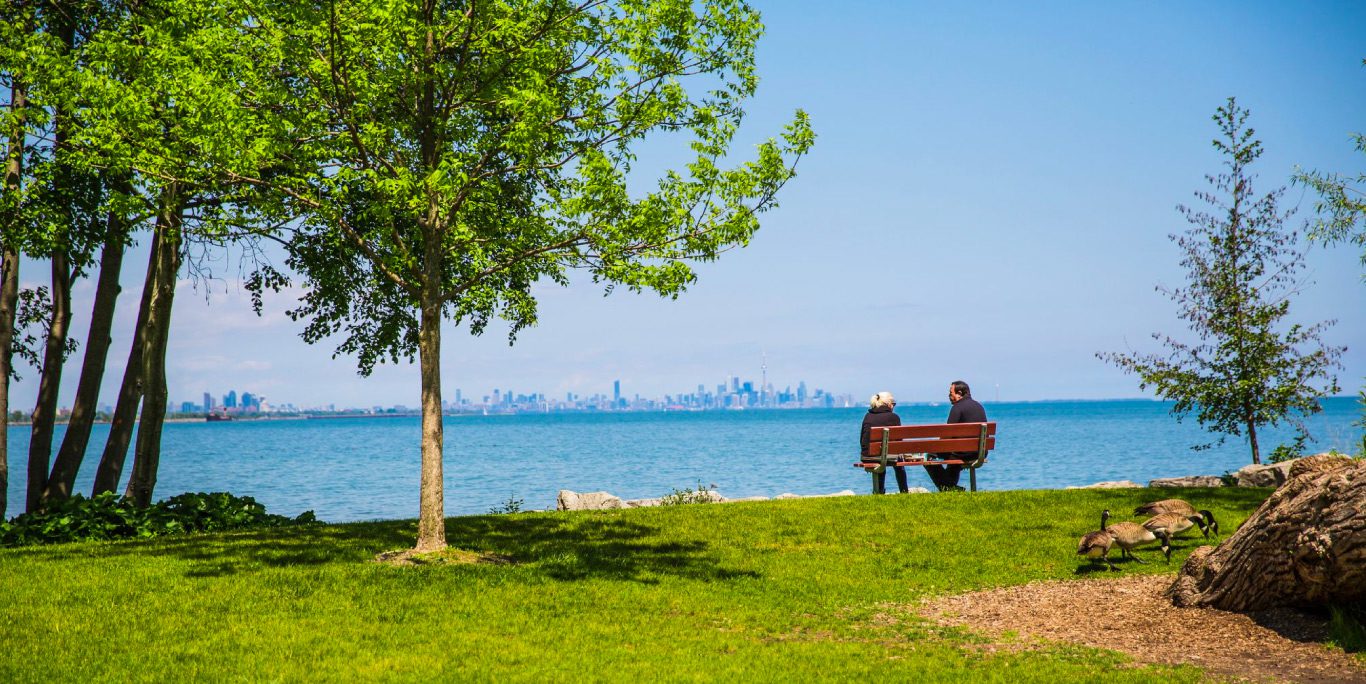
Today Dixie occupies the southeastern corner of Mississauga, bordered by Cawthra Road to the west, Lake Ontario to the south, Etobicoke Creek to the east, and Highway 403 to the north. It sits directly at the boundary with Toronto, giving it a transitional character unlike anywhere else in the city.
If the location works for your life or your business, Dixie real estate offers a compelling entry point with comparatively low competition for residential properties.
Living in Dixie
Life in Dixie is shaped by its unique position in Mississauga. This is not a neighbourhood defined by residential streets and school catchments in the way that Clarkson or Lorne Park are. Dixie is primarily a commercial and industrial community, and the people drawn to it are drawn by what it does exceptionally well — connectivity, heritage, and a location that puts the entire GTA within easy reach.
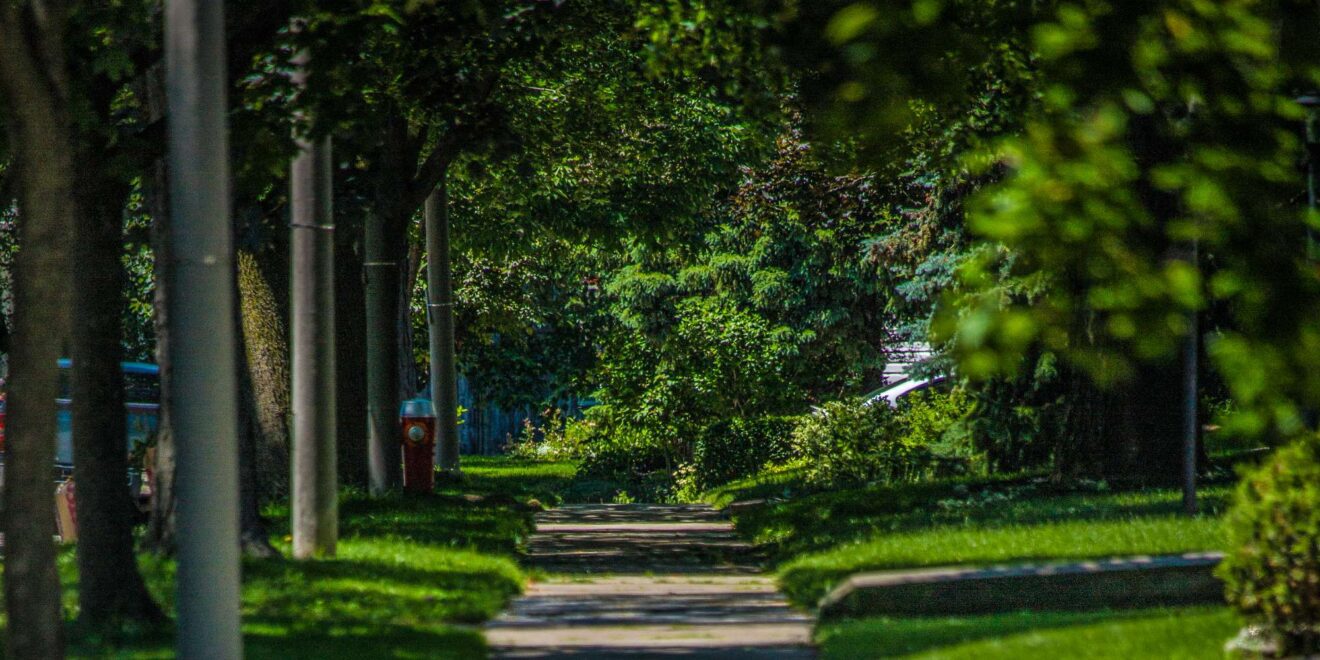
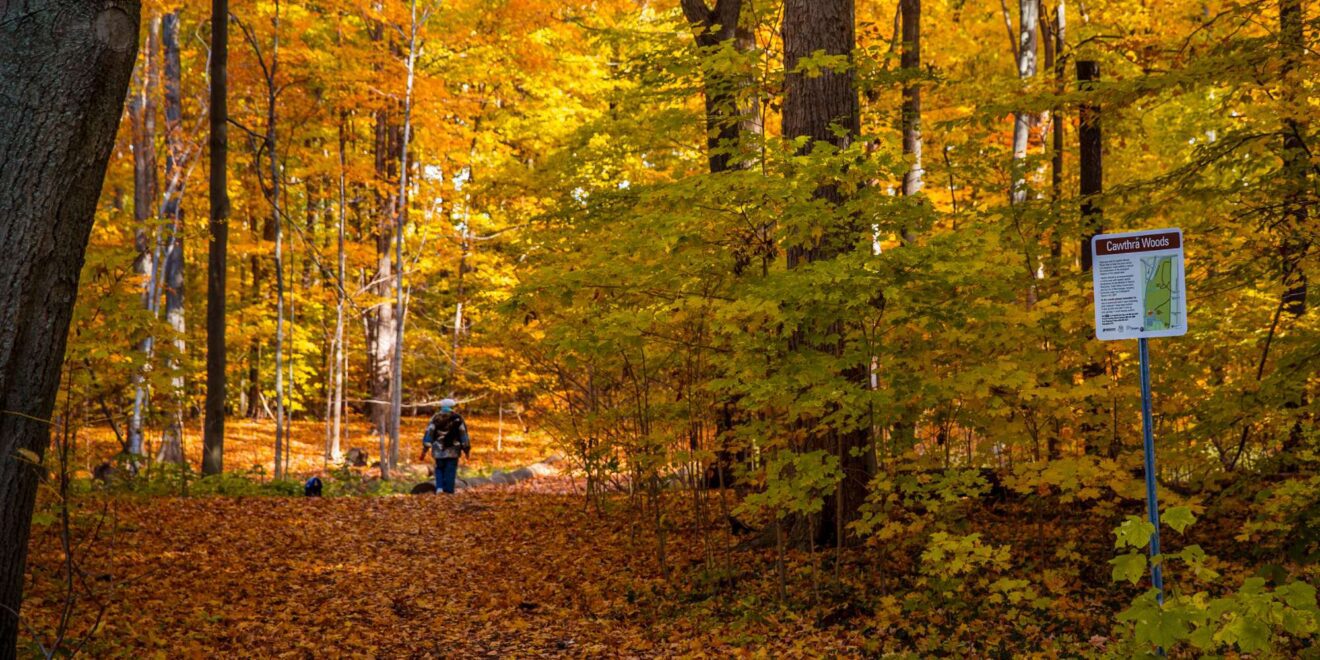
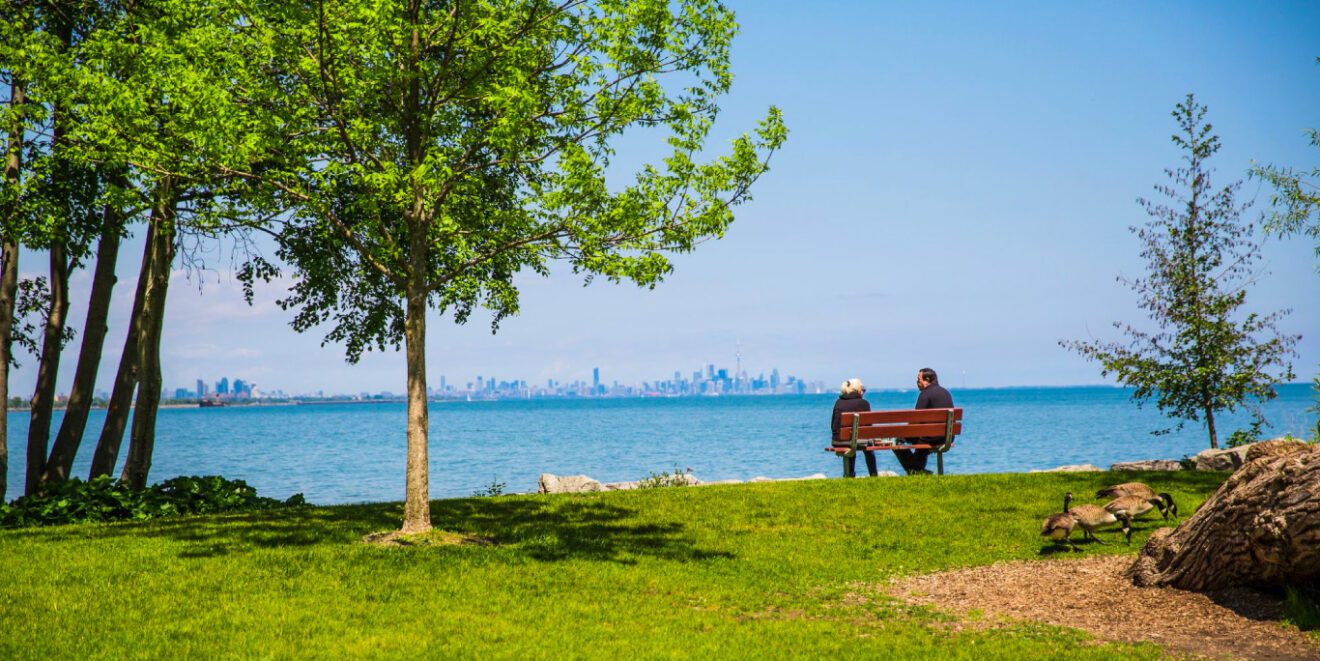
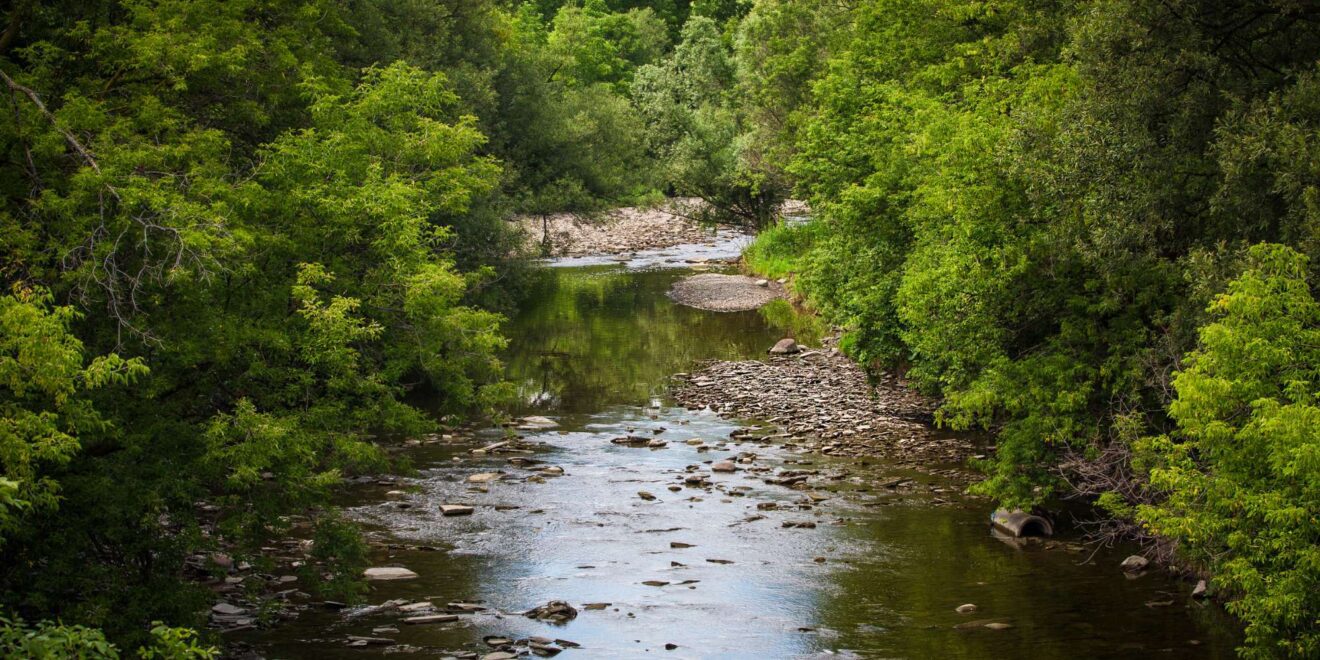
The Etobicoke Creek Trail runs through the area from Dixie Road southward toward Lake Ontario, connecting to the Great Lakes Waterfront Trail for walking and cycling. The annual Haunted Mississauga event at the Dixie Union Chapel brings the neighbourhood’s extraordinary history to life each fall, with guided performances in and around the 1837 stone chapel. For families who do live here, elementary and secondary schools are accessible in adjacent communities, and the Canadian Ice Academy provides an Olympic-sized ice facility close by.
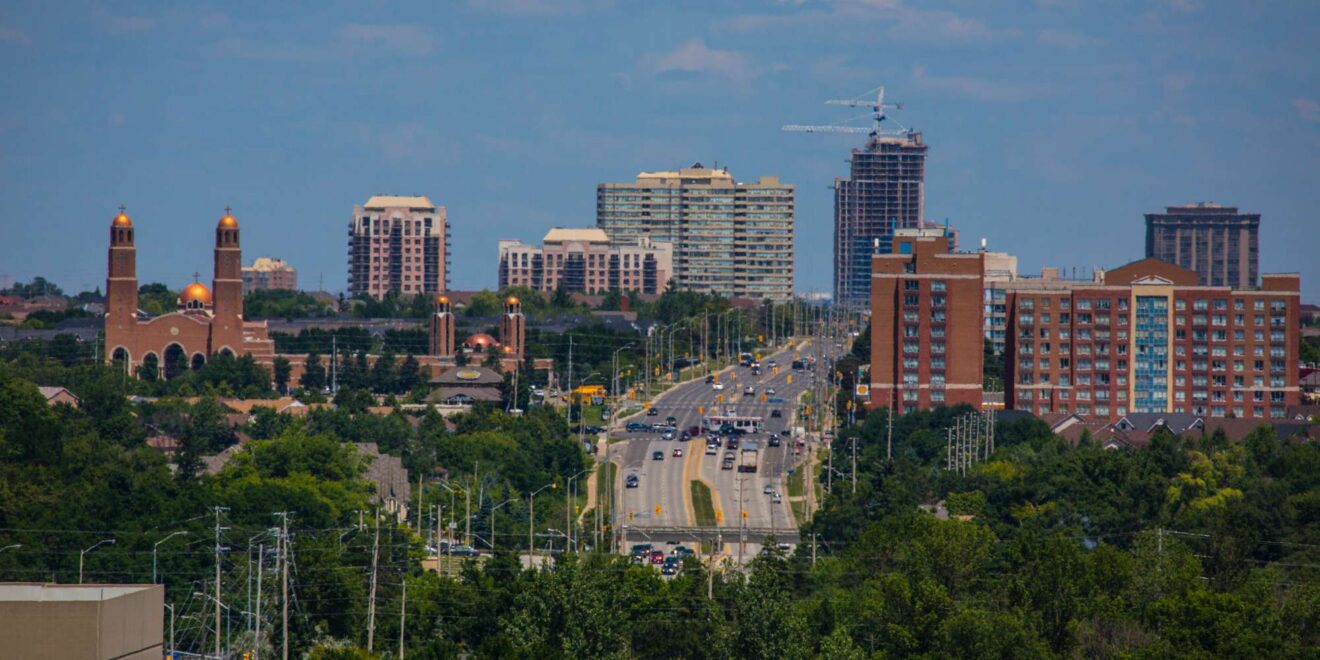
The Dixie Outlet Mall along the QEW has served the area for decades as a regional shopping destination. Significant redevelopment plans are now underway, with proposals for over 1,200 residential units, a new public park, and mixed-use buildings that will gradually shift the character of the neighbourhood toward something more complete and walkable over the coming years.
What matters most to you in a neighbourhood? If you are a business professional looking for proximity to Highway 401, the QEW, and Toronto without a Toronto price, or if the heritage and the trail access along Etobicoke Creek speak to something you have been looking for, Dixie may deserve a closer look.
If you want another nearby west Oakville option, you may also want to compare Lakeview.
Get Started
Thinking about moving to Clarkson? Book a meeting and I’ll help you plan your next steps for buying or selling.
Dixie Real Estate
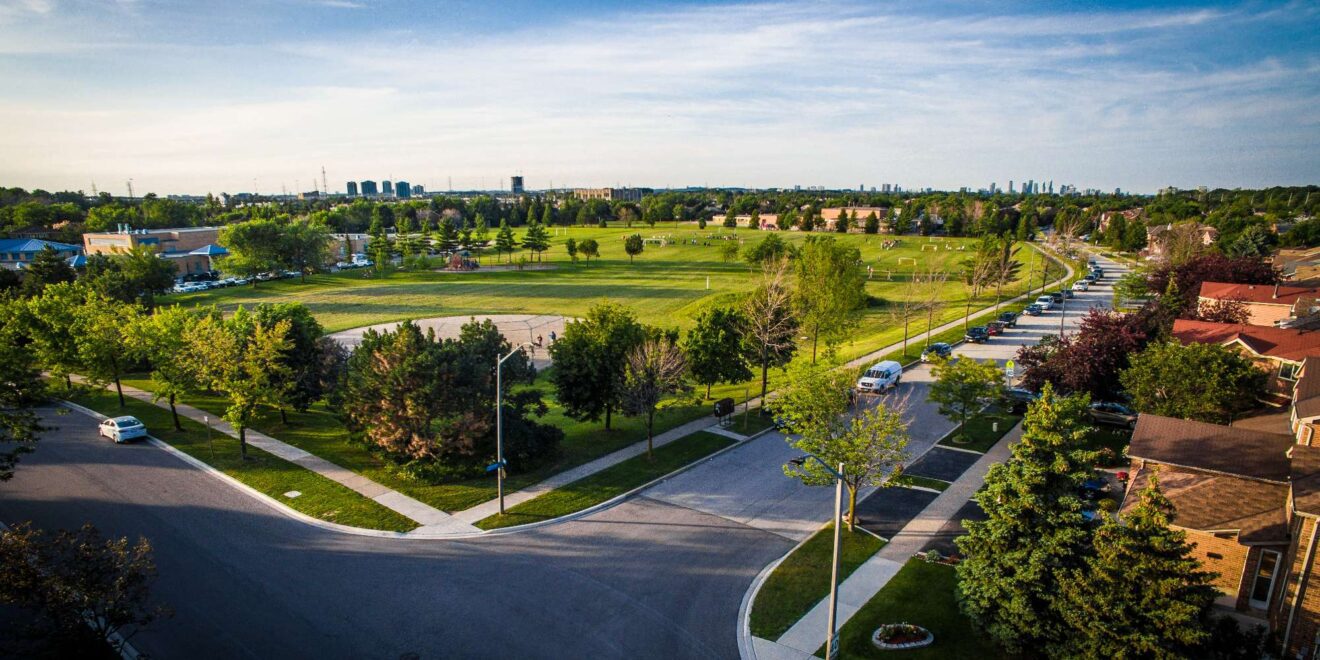
Dixie real estate is distinct from most Mississauga neighbourhoods. Over 70 percent of the land is dedicated to commercial and industrial use, which means the residential pockets here are limited and concentrated east of Dixie Road. The existing homes are predominantly low-density single-family properties built between the 1950s and 1970s, on generous lots that reflect the area’s post-war suburban origins.
For buyers who are specifically drawn to this part of Mississauga — whether for proximity to the 401 and QEW interchange, the border with Toronto, or the rare combination of industrial and heritage character — Dixie offers something genuinely different. Redevelopment plans for the Dixie Outlet Mall site include over 1,200 new residential units, which will shift the housing landscape here considerably over the next decade.
For those considering commercial or investment property, Dixie’s position at the intersection of Highways 401 and 403 with direct access to the QEW makes it one of the most logistics-friendly locations in the GTA. If the location works for your life or your business, the opportunity here is real and the competition for residential properties is comparatively low.
Dixie is in the southeastern corner of Mississauga, bordered by Cawthra Road to the west, Lake Ontario to the south, Etobicoke Creek to the east, and Highway 403 to the north. It sits directly on the boundary with Toronto.
Dixie is known for its industrial and commercial character, its deep historical roots including Mississauga’s oldest cemetery at St. John’s Dixie Union Chapel, and its exceptional highway access at the intersection of Highways 401, 403, and the QEW. The Dixie Outlet Mall has been a regional shopping destination for decades.
Residential properties in Dixie are limited and concentrated east of Dixie Road. The housing stock consists primarily of low-density single-family homes built between the 1950s and 1970s. Significant new residential development is planned as part of the Dixie Outlet Mall redevelopment, which will add over 1,200 units to the area.
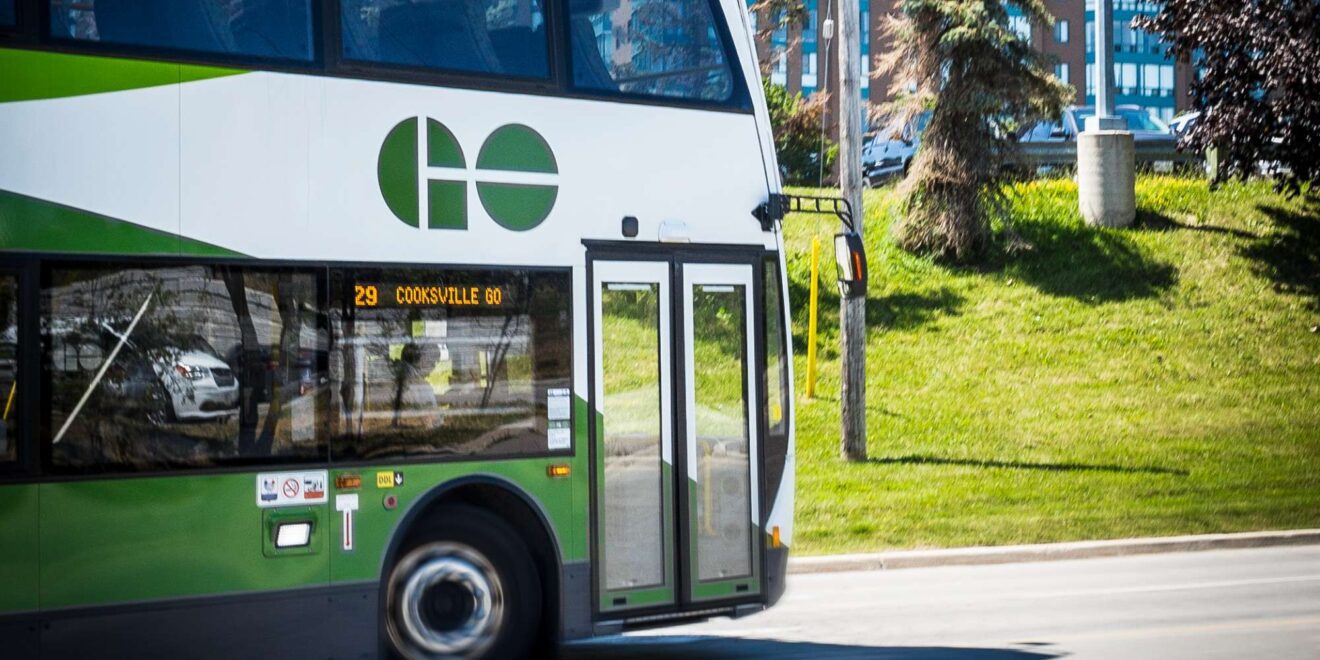
Very practical. Dixie sits at the intersection of Highways 401 and 403 with direct QEW access, making it one of the most connected locations in Mississauga. MiWay Route 5 runs along Dixie Road and connects to GO Transit services. The Dixie Transitway Station at 4440 Dixie Road provides additional regional transit links.
The Etobicoke Creek Trail is the neighbourhood’s primary green space corridor, running from Dixie Road south toward Lake Ontario and connecting to the Great Lakes Waterfront Trail. It provides walking and cycling access along one of Mississauga’s most scenic natural waterways.